

How to Dispose of Furniture and Mattress Waste in the Netherlands
Getting rid of old furniture or a worn-out mattress in the Netherlands isn’t as simple as leaving it on the curb. With strict waste regulations and a strong focus on circularity, knowing the right disposal route can save you money, prevent fines, and reduce environmental impact.
Here’s a clear guide to disposing of furniture and mattress waste the right way in the NL—for individuals and businesses alike.
1. Check if reuse is possible first
In the Netherlands, reuse always comes before recycling or disposal. If your furniture or mattress is still in usable condition, consider:
- Donating it to reuse organisations or social enterprises
- Selling or giving it away via second-life platforms
- Using circular platforms like FurnZero, which connect furniture directly to verified reuse and recovery partners
Reusing furniture keeps valuable materials in circulation and significantly reduces carbon emissions.
2. Municipal bulky waste (grofvuil)
For items that can’t be reused, municipalities offer bulky waste collection:
- You usually need to book a pickup in advance
- Rules, fees, and limits vary per gemeente
- Items must often be separated by material (wood, metal, mattress, etc.)
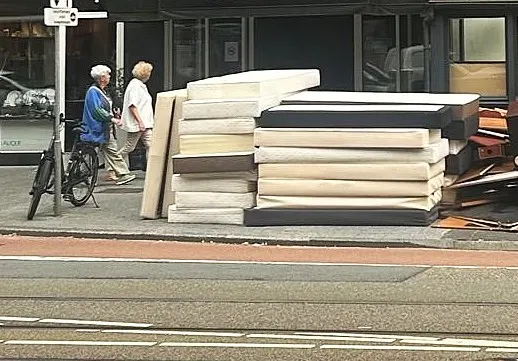
Leaving furniture on the street without an appointment can lead to fines, so always check local guidelines.
3. Recycling centres (Milieustraat)
You can also bring furniture and mattresses to a municipal recycling centre:
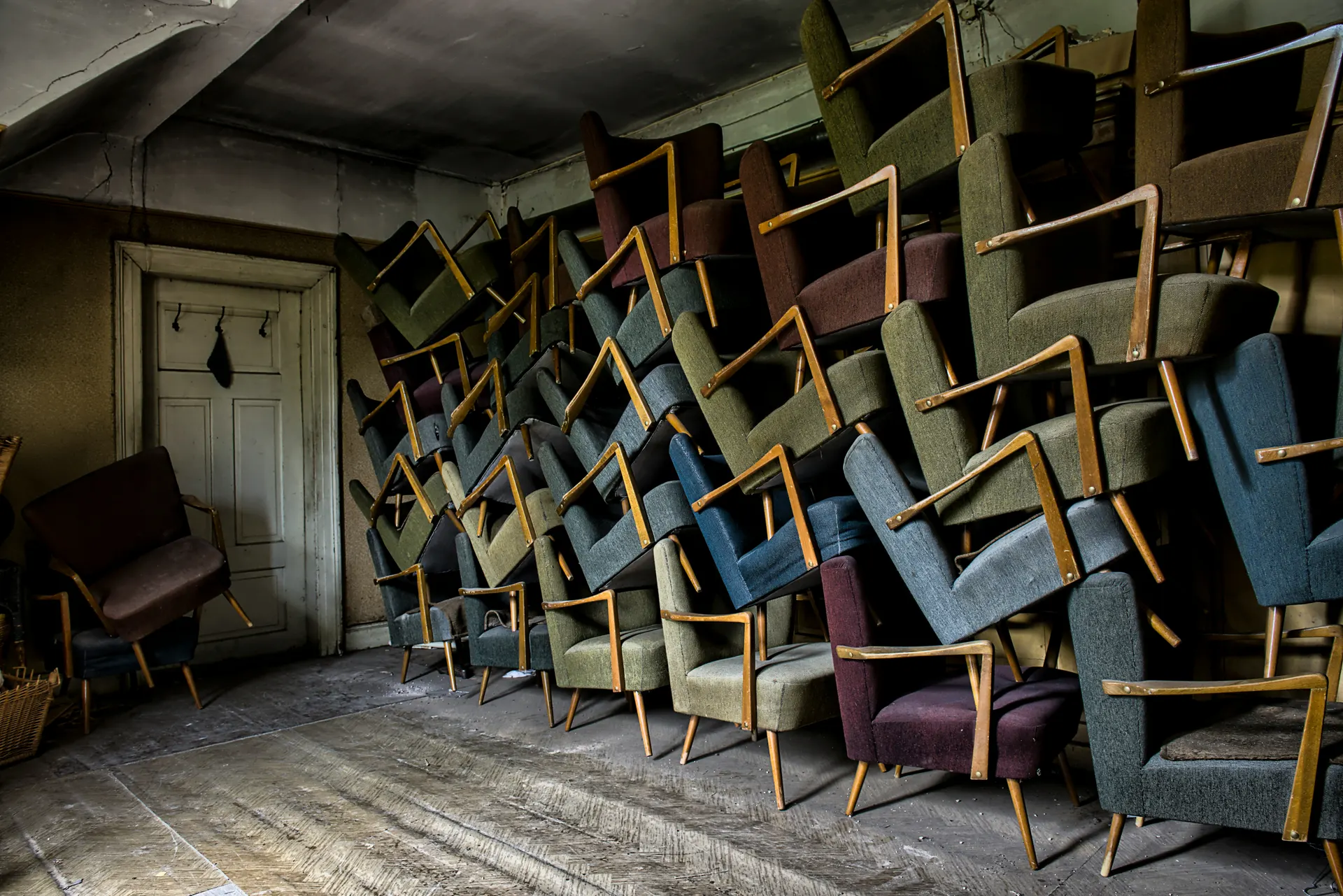
- Furniture is sorted into material streams (wood, metal, foam)
- Mattresses are processed separately and can be recycled into new raw materials
- Some municipalities charge a small fee for business waste or large volumes
This option works well if you have transport and only a few items.
4. Mattress-specific disposal rules
Mattresses are a special category in the Netherlands:
- Since extended producer responsibility (EPR) rules, mattresses are increasingly recycled instead of incinerated
- Many municipalities have dedicated mattress collection
- Businesses and hotels are often required to use certified processors
Proper mattress disposal prevents bulky waste issues and supports national recycling targets.
5. Businesses, hotels, and large volumes
For hotels, offices, and renovation projects, standard municipal options often aren’t practical. Large-scale furniture disposal requires:
- Scheduled logistics and pickup
- Sorting and recovery through verified partners
- Traceable, EU-compliant reporting for sustainability and ESG requirements
Platforms like FurnZero simplify this process by managing matching, logistics, and impact reporting—turning disposal into a circular solution.
6. What not to do
- ❌ Don’t dump furniture on the street without approval
- ❌ Don’t mix furniture with household waste
- ❌ Don’t assume everything goes to recycling—reuse is key
Improper disposal can lead to fines and unnecessary environmental damage.
Make disposal a circular choice
Disposing of furniture and mattress waste in the Netherlands doesn’t have to be complicated—or wasteful. By choosing reuse first, recycling second, and compliant disposal last, you contribute to a cleaner, more circular system.
Whether you’re clearing out a home, upgrading an office, or renovating a hotel, the right approach can save costs, reduce emissions, and keep furniture in use where it belongs.
-- Written by AI --