

Why Giving Your Old Furniture a Second Life Matters
Furniture doesn’t stop being valuable the moment it leaves your home, office, or hotel. In fact, most discarded furniture still has years of use left. Yet every year, tonnes of perfectly usable items end up in landfills or incinerators. Giving old furniture a second life isn’t just a nice idea—it’s a practical, impactful choice for both the planet and your wallet.
The hidden cost of throwing furniture away
Producing new furniture requires large amounts of raw materials, energy, water, and transport. When furniture is discarded too early, all of those embedded resources are lost. Disposal also creates additional emissions through transport, processing, and incineration.
By reusing or refurbishing furniture, you avoid these hidden environmental costs and extend the life of materials that are already in circulation.
Reuse saves more than waste
Giving furniture a second life delivers measurable benefits:
- Lower carbon emissions by reducing demand for new production
- Less landfill and incineration, easing pressure on waste systems
- Cost savings compared to buying new or paying for disposal
- Social impact, by supporting organisations, schools, shelters, and startups that need affordable furnishings
What’s waste for one organisation can be a valuable resource for another.
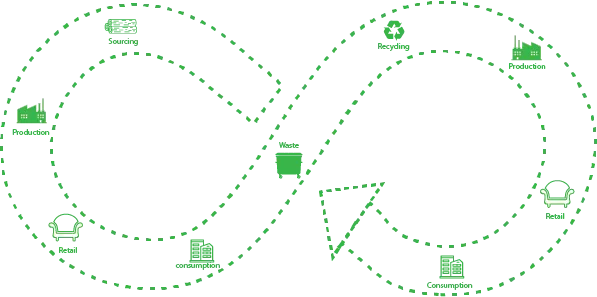
Refurbishment: extending value even further
Not all furniture is ready for immediate reuse—but that doesn’t mean it’s at the end of its life. Refurbishment can include:
- Repairing minor damage
- Reupholstering seating
- Updating finishes or components
These small interventions can dramatically extend a product’s lifespan at a fraction of the cost of replacement.
Circular furniture is good business
For hotels and businesses, giving furniture a second life is more than an environmental decision—it’s a strategic one. Circular reuse supports:
- ESG and sustainability reporting
- Compliance with EU circular economy goals
- Brand credibility and stakeholder trust
With traceable reporting, reused furniture becomes proof of real impact, not just good intentions.
Making reuse easy
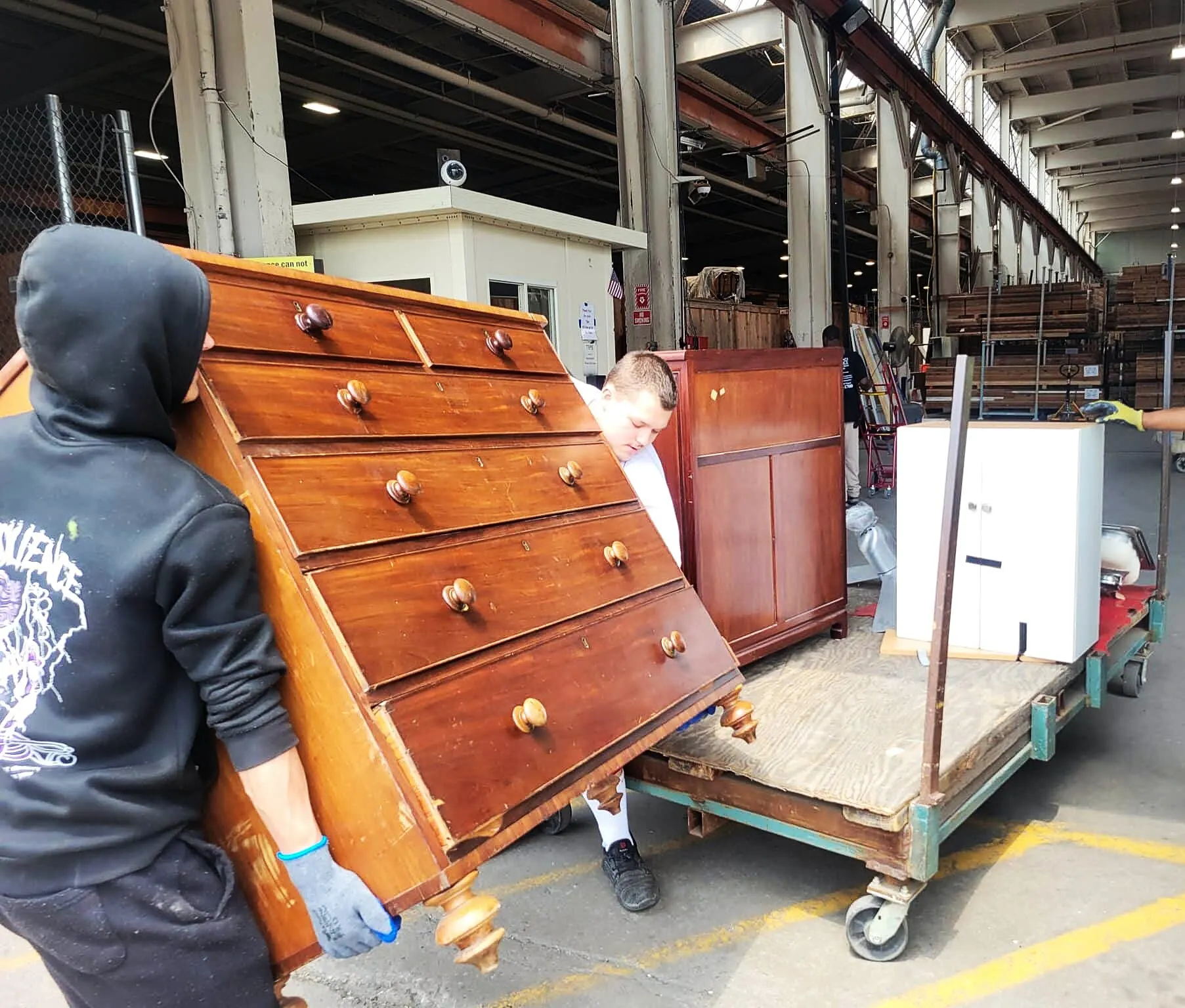
One of the biggest barriers to reuse is logistics. Matching the right furniture to the right new owner, arranging transport, and tracking impact can be complex. Platforms like FurnZero remove that friction by connecting used furniture to verified reuse and refurbishment partners—making circular choices simple and scalable.
Small choices, lasting impact
Every piece of furniture reused is one less item produced, transported, and discarded. Giving your old furniture a second life keeps materials in use, reduces emissions, and supports a more sustainable system—one where waste is no longer the default.
Because the most sustainable furniture is the furniture that already exists.
-- Written by AI --